

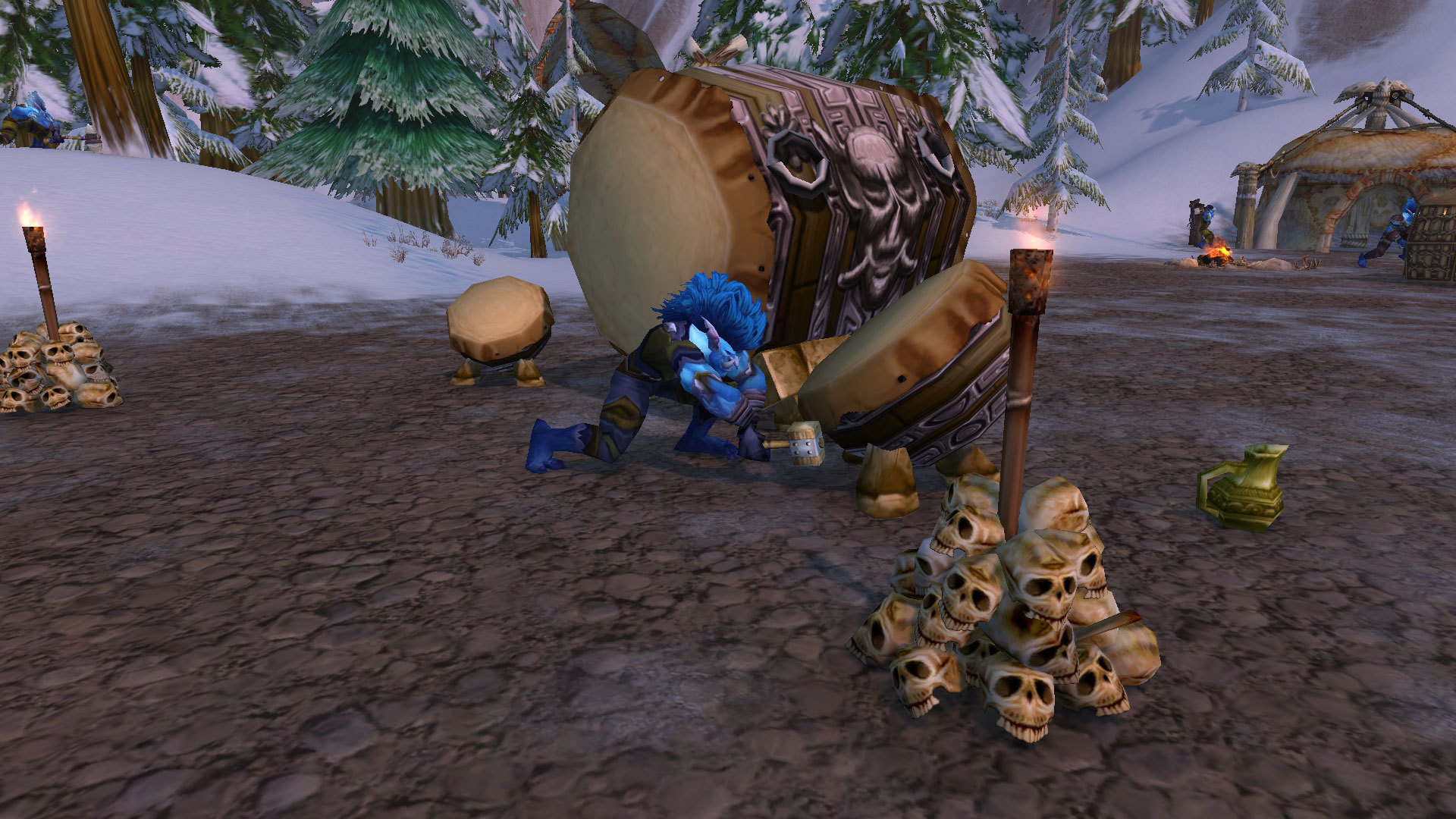
World of Warcraft has undergone significant changes throughout its expansions, particularly regarding the solo viability of classes. In Classic, players often struggled to tackle elite mobs solo due to the limitations of their abilities and the overall game mechanics. However, with the introduction of Mists of Pandaria (MoP), each class received substantial improvements that greatly enhanced their ability to handle difficult encounters alone. This guide will explore the key changes in class design, mechanics, and the introduction of features that allowed for a more solo-friendly gameplay experience in MoP compared to Classic.
Class Design Improvements
One of the most significant changes in MoP was the reworking of class abilities and talents, which provided players with more diverse options for soloing elite mobs. Each class received new abilities that enhanced their survivability, damage output, and utility. For instance, many classes gained access to self-healing talents or cooldowns, allowing them to sustain themselves during prolonged fights. Additionally, the introduction of the new talent system in MoP allowed players to customize their builds to better suit solo play, enhancing their effectiveness against elite mobs.
| Class | Key Self-Healing Ability | Notable Damage Mitigation |
|---|---|---|
| Warrior | Victory Rush | Shield Wall |
| Paladin | Word of Glory | Divine Shield |
| Hunter | Exhilaration | Feign Death |
| Rogue | Crimson Vial | Vanish |
| Priest | Shadow Mend | Angels’ Embrace |
Resource Management and Scaling

In MoP, resource management systems were refined, allowing players to sustain their damage output over longer encounters. Classes that previously struggled with energy, rage, or mana now had better tools for managing their resources. For example, the changes to the Hunter’s Focus system allowed for a more fluid rotation, while the addition of energy regeneration mechanics for Rogues made them more viable against elite mobs. The scaling of health and damage output for enemies was also adjusted, ensuring that players had the means to take them down without being overwhelmed.
World Scaling and Elite Mobs
The design philosophy in MoP included a shift towards world scaling, where elite mobs became more balanced for solo players. This meant that while elite mobs were still challenging, they were not insurmountable. The introduction of dynamic mob scaling allowed elite mobs to have health pools and damage output adjusted based on the player’s level and gear. Consequently, elite mobs became more accessible for solo players, providing them with opportunities to engage in challenging content without requiring a group.
Quality of Life Improvements
Quality of life improvements in MoP also contributed significantly to solo viability. The addition of new features such as the ability to summon and dismiss pets quickly, improved inventory management, and the introduction of the in-game calendar made it easier for players to engage with content solo. Players could now easily track elite mob spawn times, coordinate their attempts, and manage their cooldowns more effectively. These enhancements allowed players to focus more on gameplay rather than logistical issues, making soloing elite mobs a more enjoyable experience.
Community and Solo Play Culture
As players began to recognize the increased solo viability of their classes in MoP, a culture of solo play emerged within the community. Players shared strategies, tips, and builds tailored specifically for soloing elite mobs. Online platforms and forums became hubs for discussion, with guides emphasizing the importance of understanding mob mechanics, positioning, and cooldown usage. This culture not only empowered players to take on challenges solo but also fostered a sense of accomplishment when overcoming difficult content without the need for a group.
- Utilize self-healing abilities to sustain during fights.
- Pay attention to mob mechanics to avoid unnecessary damage.
- Coordinate cooldowns for maximum damage output.
- Experiment with different talent builds for optimal solo performance.
- Engage with the community for strategies and support.